Understanding Stock Futures: The Market's Early Warning System
In the fast-paced world of finance, staying ahead of market shifts is paramount for investors and traders alike. While cash equity markets open and close, a crucial segment of the global financial landscape operates almost continuously, offering vital clues about future market direction: stock market futures. These sophisticated financial instruments act as a leading indicator, providing a real-time pulse of investor sentiment, often reacting instantly to global events before traditional exchanges even open their doors. Understanding how these futures contracts work and what influences their movements is essential for anyone looking to navigate the complexities of the modern investment world.
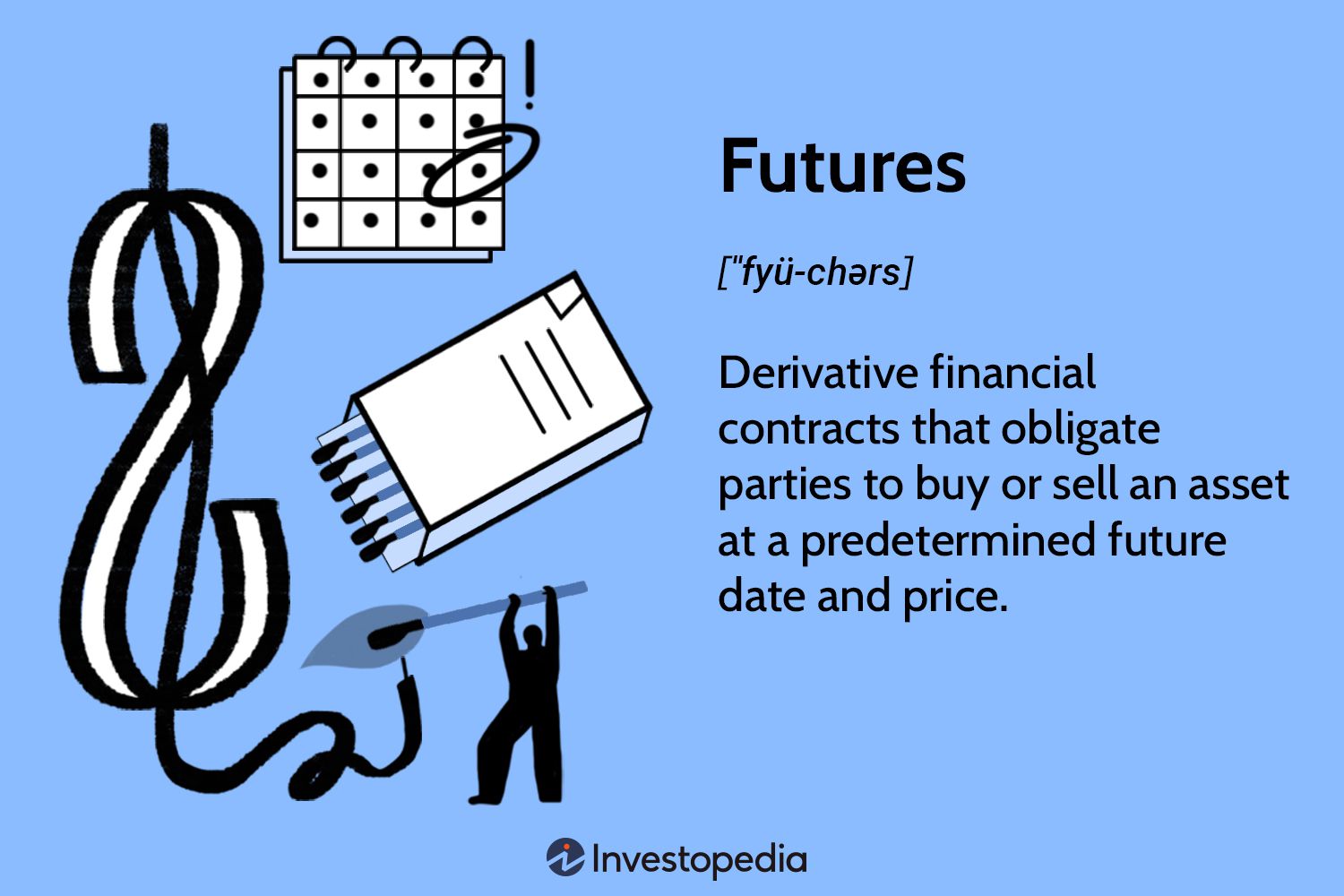
At their core, stock index futures are derivative contracts where two parties agree to buy or sell a specific stock index (like the S&P 500, DAX, or Nikkei 225) at a predetermined price on a future date. They don't involve the actual exchange of underlying stocks but rather reflect expectations about the index's future value. This unique characteristic allows market participants to speculate on, or hedge against, potential movements across major equity benchmarks around the clock. Platforms like CME Globex enable this nearly 24-hour trading, meaning that while New York sleeps, Asian or European markets are actively trading, and their developments ripple through futures prices worldwide.
The Global Pulse: How Events Ripple Through Stock Market Futures
The interconnectedness of global financial markets means that an event occurring in one corner of the world can instantly send ripples across futures contracts everywhere. Global stock market futures serve as a testament to this interconnectedness, providing a window into how investors are positioning themselves ahead of their local market openings.
Consider a hypothetical, yet illustrative, scenario from the early hours of February 23, 2026 (approximately 02:00–03:00 UTC). At this time, major global stock index futures, including those tied to the S&P 500, DAX, FTSE MIB, CAC 40, Nikkei 225, and Hang Seng, would have been actively trading, reflecting what's known as "indicative pre-market" or "overnight levels." This particular snapshot in our historical example captured a moment of significant market volatility. The primary driver was substantial policy uncertainty stemming from a U.S. presidential announcement—President Trump's decision to raise global tariffs to 15% from 10%, following a Supreme Court ruling against prior emergency tariffs. This development ignited widespread concerns among investors regarding trade policy predictability, its potential economic fallout, and a palpable "sell America" sentiment.
In response, investor capital began flowing into traditional safe-haven assets, such as gold, while U.S. index futures, including those for the S&P 500, exhibited notable declines. Simultaneously, Asian and European futures showed a mixed performance, as investors diligently weighed the fresh tariff risks against other regional factors and recent judicial outcomes. This specific historical example vividly illustrates how overnight trading in one region, influenced by geopolitical or policy-driven sentiment shifts, can powerfully signal the expected opening direction and sentiment for markets thousands of miles away. It underscores the critical role of futures in reflecting immediate investor positioning and evolving risk appetite in the face of significant global developments.
These indicative pre-market prices, derived from electronic trading platforms that operate almost continuously for major global indices, reflect collective trader expectations for the impending opening of underlying cash markets. It's crucial to remember that these are not final opening values. Subsequent order flow, breaking news, or other unforeseen events occurring closer to the actual cash market openings can cause the indices to open at different levels. However, they provide an invaluable forward-looking indicator, shaping the narrative and setting the tone for the trading day ahead. For a deeper dive into current trends, you might find our article on Global Stock Futures: Your Guide to Today's Pre-Market Trends particularly insightful.
Decoding the Indicators: What to Look for in Stock Market Futures
For investors, monitoring stock market futures offers a significant edge. But simply seeing a number isn't enough; true value comes from understanding what those numbers signify. Here are key aspects to focus on:
- Direction and Magnitude: Are futures contracts for major indices like the Dow Jones, Nasdaq, and S&P 500 up or down? And by how much? A slight movement might indicate minor adjustments, while a significant shift (e.g., 1% or more) often points to a strong pre-market sentiment driven by impactful news.
- Global Consistency vs. Divergence: Observe how futures across different regions are performing. If all major global futures (Asian, European, and U.S.) are uniformly down, it suggests a broad-based, potentially systemic concern. Mixed performance, however, could indicate region-specific drivers or a more nuanced interpretation of global events.
- Correlation with News: Pay close attention to breaking news related to economic data, corporate earnings, central bank announcements, or geopolitical developments. How do futures react immediately to these events? This provides insight into the market's initial interpretation and the speed with which information is priced in.
- Indicative vs. Actual Prices: Remember that real-time data for futures is often provided by market makers and is indicative. While highly reliable for trend and sentiment analysis, these prices may differ slightly from the actual market price once an exchange opens due to fresh order flow and trading dynamics.
Understanding these elements helps investors gauge the market's initial reaction to events and anticipate the potential opening direction of the cash equity markets. For those keen on real-time tracking, our guide on Real-time Stock Futures: Track Global Indices & US Market Open offers further assistance.
Strategic Insights for Navigating Futures Markets
Integrating stock market futures analysis into your investment strategy requires a disciplined approach and a keen eye for detail. Here are some actionable tips:
- Stay Continuously Informed: The 24/7 nature of futures trading means that news from any time zone can impact prices. Develop a habit of checking financial news outlets and economic calendars regularly, especially outside of your local market hours. Understanding the context behind futures movements is crucial.
- Context is King: Don't just observe price movements; try to understand the underlying reasons. Is the market reacting to an unexpected earnings report from a major company, a new inflation figure, or a political development? Connecting the dots between events and price action will enhance your analytical skills.
- Use Futures for Risk Management: For active traders and institutional investors, futures are powerful tools for hedging existing portfolios against adverse market movements. If you hold a substantial stock portfolio and anticipate a downturn based on negative futures sentiment, you might consider selling futures contracts to offset potential losses in your cash positions.
- Anticipate Volatility: Futures markets can be highly volatile, especially during times of significant uncertainty or breaking news. This leverage can amplify both gains and losses. Always approach futures trading with a clear understanding of the risks involved and apply robust risk management techniques.
- Look Beyond the Immediate: While futures provide short-term indications, their movements also contribute to the broader narrative of market trends. Observing consistent patterns in futures responses to certain types of news can offer valuable long-term insights into market sensitivities and investor psychology.
Conclusion
Stock market futures are far more than just financial instruments; they are the early warning system of the global economy, constantly registering the collective sentiment of investors in response to an ever-changing landscape of global events. From policy shifts and economic data releases to geopolitical tensions and judicial outcomes, futures contracts distill these complex inputs into immediate, actionable price signals. By understanding their mechanics, monitoring their movements, and interpreting the underlying drivers, investors can gain a crucial edge, enhancing their ability to make informed decisions and navigate the dynamic currents of the financial markets with greater confidence and strategic foresight.